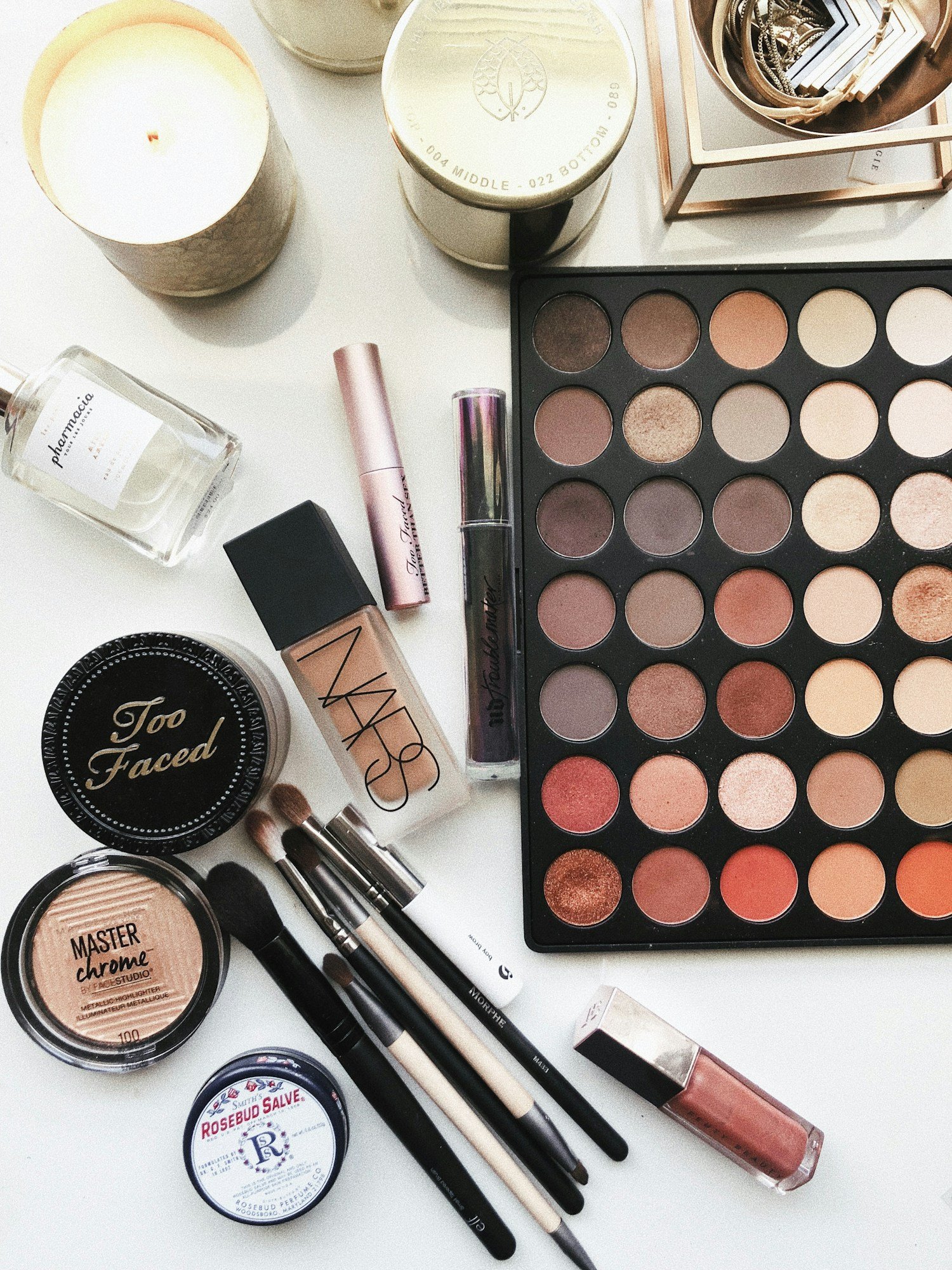
Choose the detail you want to notice
A vivid lip, a colored liner, or a softly shimmering lid can each become a focal point. Start with the feature that interests you most and build around it. You do not need to change every part of your usual routine. Keeping familiar elements makes a new color easier to assess and more comfortable to wear outside the mirror.
Work with the finish
The same shade can feel different in a sheer tint, a satin finish, or an opaque matte texture. Try a light application before adding more, following the product’s instructions. Consider how much maintenance you want during the day. A look that requires frequent checking may suit an evening event better than a busy commute and back-to-back meetings.
Test the combination with your clothes
Put on the neckline and colors you plan to wear before deciding on the final makeup balance. A bright scarf or a patterned blouse may already provide plenty of color. Take a photograph in ordinary light to see the whole composition. Treat this as a way to explore your preference, not a test you need to pass.
Keep an easy alternative
Leave time to switch to a familiar option if the experiment feels distracting. You can also keep the color and reduce its intensity. Makeup is a temporary form of expression, so there is no need to force a look because it worked on someone else. Save a note or photo of combinations you would enjoy repeating.